Counteracting Misinformation & Fake News.
Misinformation and fake news are major challenges in the digital age, spreading false or misleading information that influences public perception and decision-making across domains like politics and healthcare. Amplified by social media, these issues demand proactive solutions, including fact-checking, tools to detect false content, and fostering media literacy to promote informed and responsible digital engagement.

Fact Check!
Analyze your content for AI detection and fact-checking
Supports: Plain Text News Snippet in English & Hinglish
The Critical Need for Fact-Checking
Misinformation, often disguised as legitimate news, poses a significant threat to informed decision-making. It spreads rapidly online, particularly through social media, influencing public opinion and potentially leading to harmful consequences. Key areas affected include: - Public health crises (e.g., vaccine hesitancy). - Political discourse and elections. - Social cohesion and trust in institutions. - Financial decisions and market stability.
Addressing the challenge of fake news requires a comprehensive strategy involving technology, education, and collaboration. This includes: - Developing advanced AI-powered detection tools. - Promoting media literacy and critical thinking skills. - Supporting independent fact-checking organizations. - Encouraging responsible social media sharing practices. - Holding platforms accountable for content moderation.
Our Advanced Solutions
We provide cutting-edge solutions to effectively address the challenges of misinformation and fake news.
Text Analysis
Powered by Advanced NLP
- Employs state-of-the-art Natural Language Processing (NLP) to analyze text content.
- Accurately identifies AI-generated text and potential misinformation.
- More...
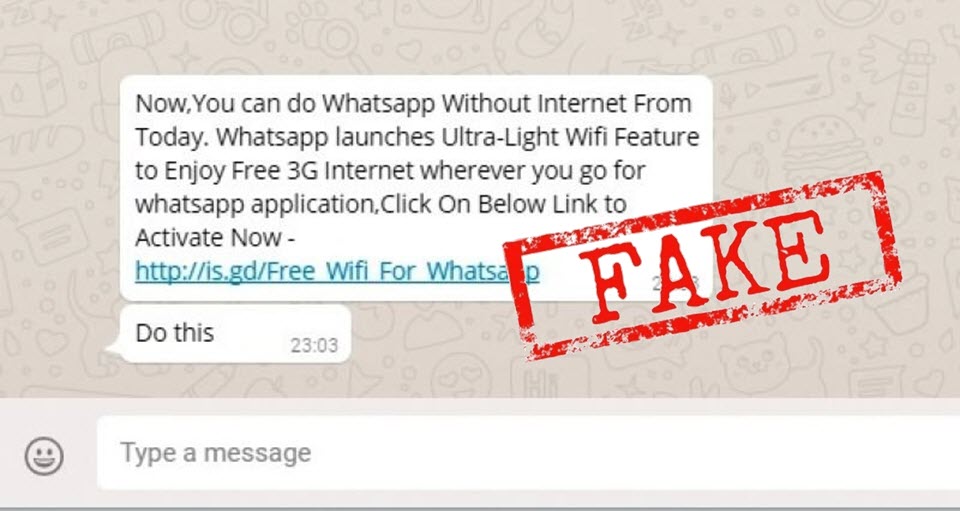
Image Verification
Comprehensive Analysis
- Uses Optical Character Recognition (OCR) to extract and analyze text within images.
- Performs reverse image searches to trace the origin and context of images.
- More...
Audio Analysis
Multi-faceted Approach
- Transforms audio into Mel-spectrograms for visual pattern analysis.
- Transcribes audio content into text for in-depth NLP analysis.
- More...

Link Verification
Automated Web Scraping
- Extracts key information (headings, summaries) from web links via scraping.
- Analyzes the extracted content using AI to assess credibility and identify red flags.
- More...
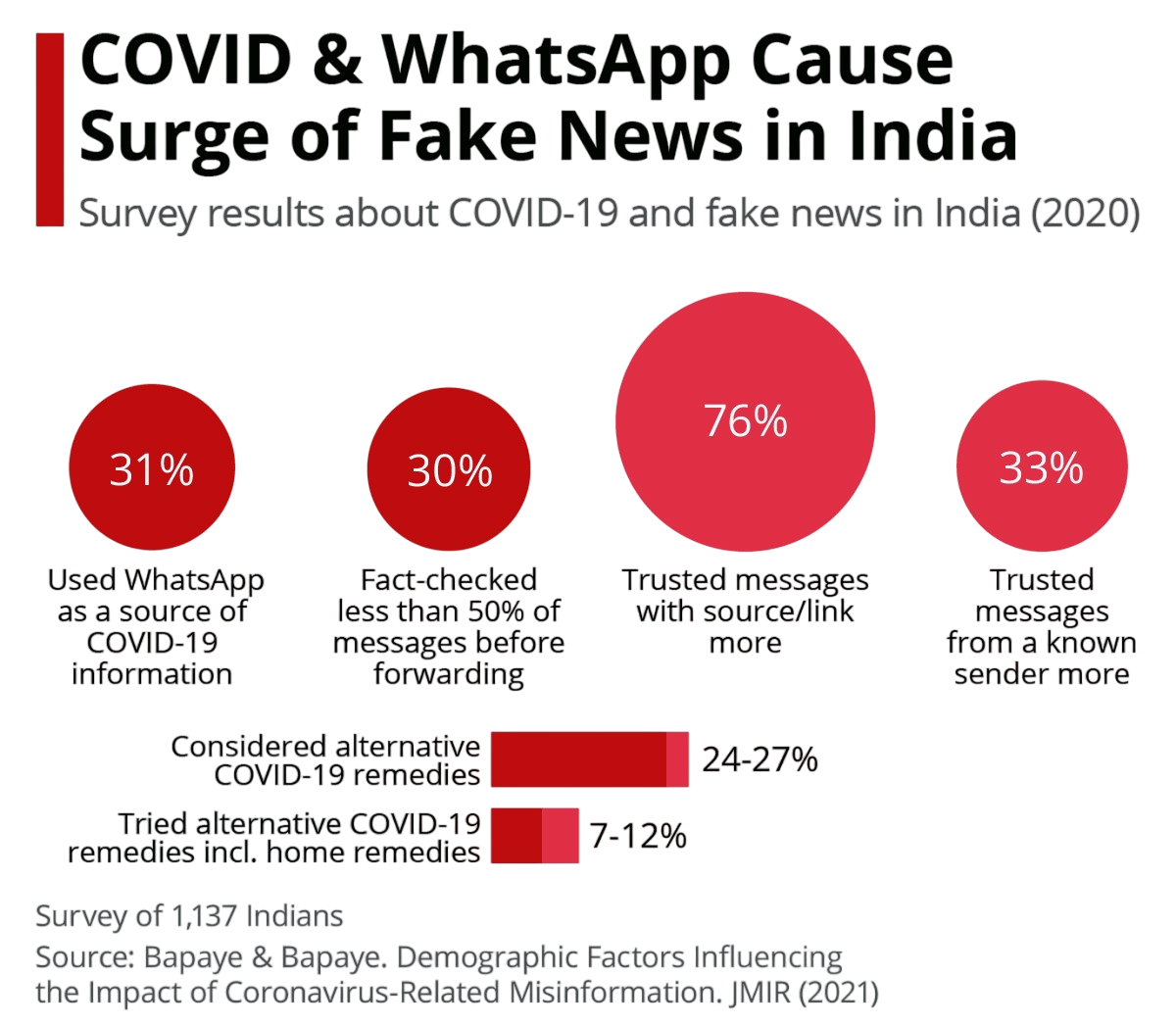
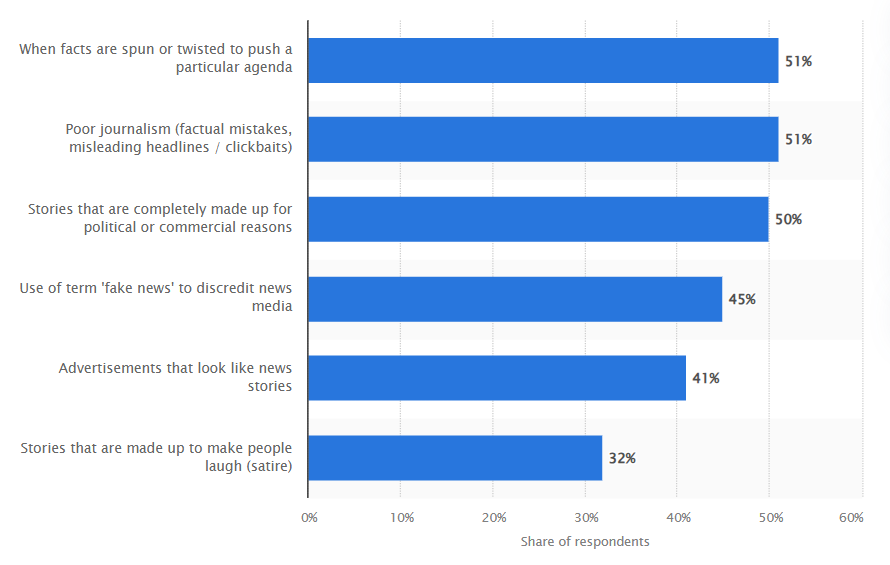
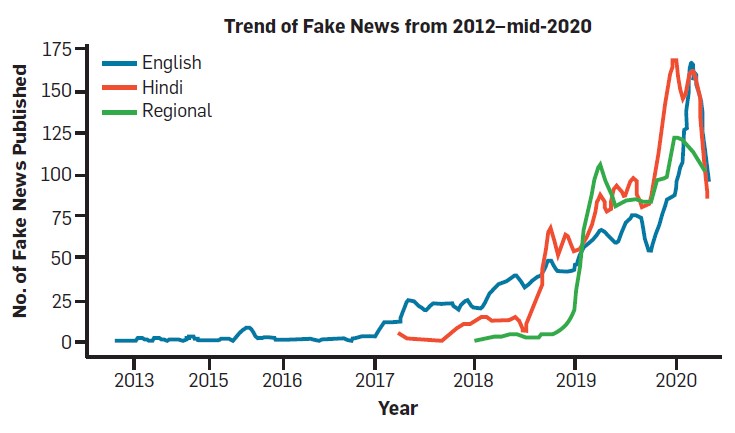
Statistics & Graphs
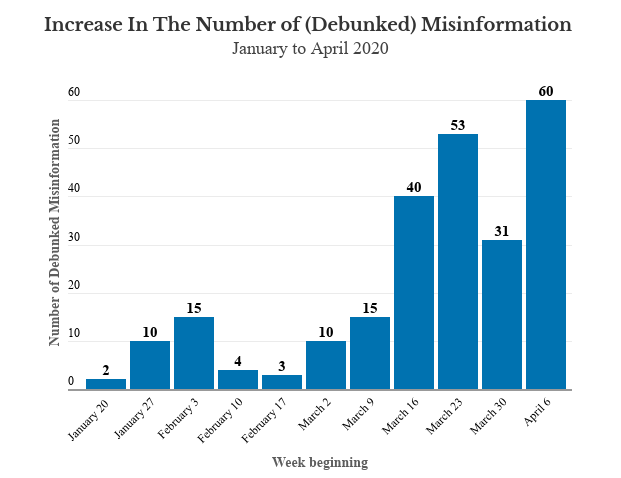
Fake news in India spreads quickly due to the rise of social media platforms like WhatsApp and Facebook, often targeting sensitive topics like religion, politics, or public safety. This misinformation can lead to panic, polarization, or even violence. While fact-checking initiatives and government advisories exist, the challenge of combating large-scale dissemination remains significant.
Our Team

Kayaan Billimoria
Team Member
Kayaan Billimoria brings a wealth of experience in creating innovative solutions and is passionate about tech and Cyber Security.

Frequently Asked Questions
Here are some of the most common questions we receive about our service and how we fight fake news and misinformation.
Our service employs a multi-faceted approach, combining advanced AI techniques with human fact-checking. We analyze text, images, audio, and links using: - Text Analysis: Natural Language Processing (NLP) to detect AI-generated content, logical fallacies, biases, and to verify information against trusted news sources. - Image Verification: Optical Character Recognition (OCR) to extract text from images, and reverse image searches to find origins. - Audio Analysis: Conversion of audio to Mel-spectrograms for visual analysis, transcription to text for NLP analysis, and AI models to detect AI-generated audio. - Link Verification: Web scraping to analyze linked content, assessment of website credibility, and identification of red flags.
You can submit various types of content, including: - Text snippets or articles - Images (including screenshots and memes) - Audio files - Links to websites or social media posts
While no system is perfect, our service strives for the highest possible accuracy by combining multiple verification methods and leveraging a network of trusted sources. We continuously improve our algorithms and techniques to stay ahead of evolving misinformation tactics. Our results provide a strong indication of the credibility of the content, but we always encourage users to exercise critical thinking and consult multiple sources.
You can go to the footer of the website, and click 'Report Misinformation' to get redirected to the proper website.
Yes, our basic fact-checking service is currently free to use. We believe that access to accurate information is a fundamental right.
You can support our work by: - Sharing our service with your friends and family. - Reporting any instances of misinformation you encounter. - Providing feedback to help us improve our service.

Mission Statement
Our mission is to combat the growing threat of misinformation and fake news, particularly on social media platforms, by developing innovative tools and strategies that enable rapid identification, verification, and neutralization of misleading information. We aim to ensure the timely dissemination of accurate public safety communication, safeguarding the integrity of public understanding and trust in vital information.
Disclaimer
- The results provided by this app may not always be accurate or reliable.
- We do not guarantee the correctness or completeness of the data presented.
- Users are solely responsible for any actions taken based on the info provided by this app.
- It is recommended that users independently verify critical information before making decisions.
© 2026 designed by Kayaan Billimoria